
BRIGANCE® Inventory of Early Development III
Our assessors use the BRIGANCE® Inventory of Early Development III to measure a child’s school readiness.
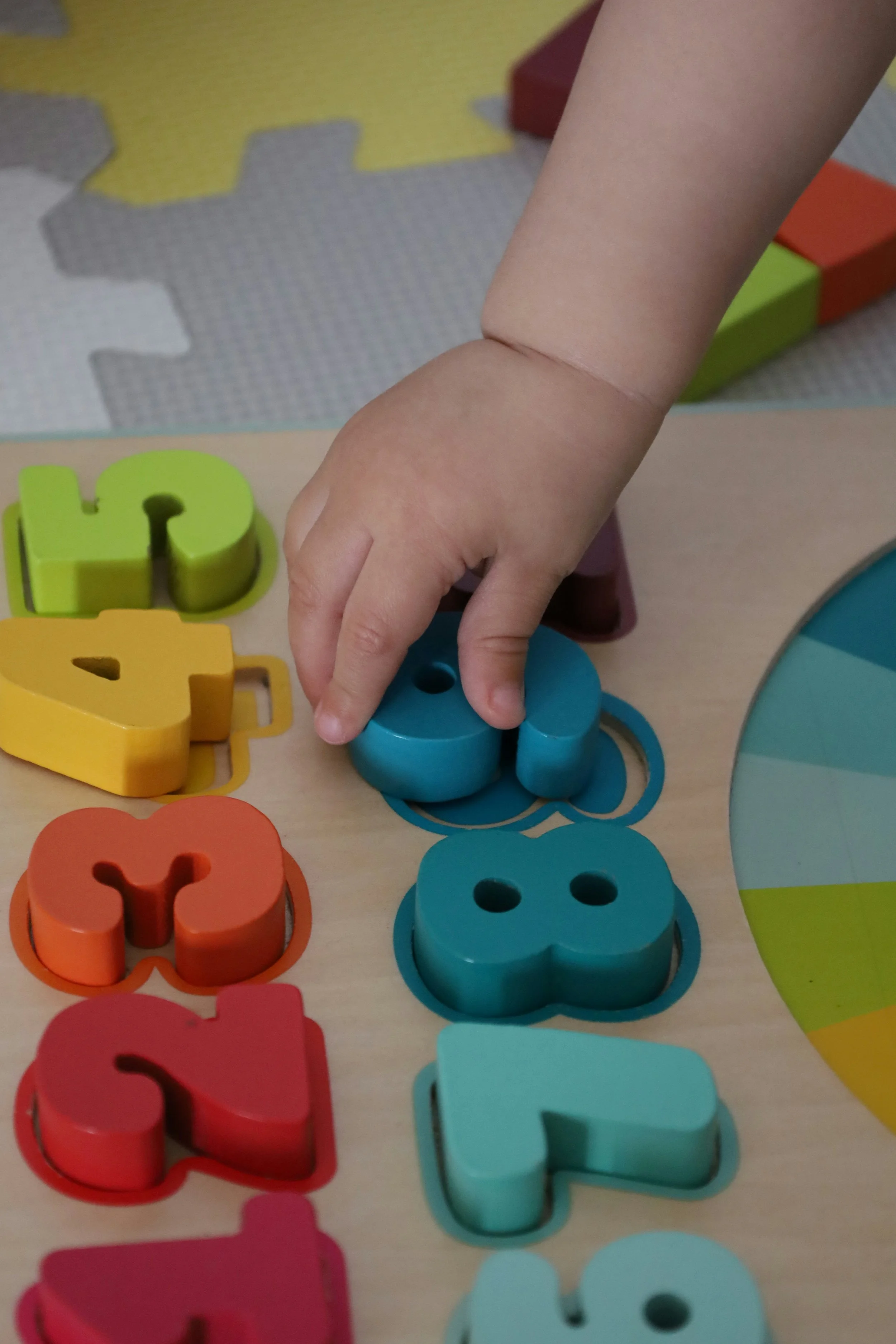
BRIGANCE® Inventory of Early Development III (IED III): Literacy & Mathematics Assessment
The BRIGANCE® Inventory of Early Development III (IED III) is a comprehensive developmental assessment designed to evaluate the foundational literacy and mathematics skills that support school readiness and early academic success. Appropriate for children from birth through age 7 years and 11 months, the assessment helps identify strengths, areas for growth, and instructional recommendations to support learning at home and in school. Schools and early childhood programs across the country use the BRIGANCE IED III to evaluate developmental progress, guide instruction, and monitor early academic development.
A Research-Based Assessment
The BRIGANCE IED III was developed using a nationally representative sample of children across the United States and provides age-based standardized scores that allow a child's performance to be compared with that of same-age peers. In addition to identifying developmental strengths and needs, the assessment provides valuable information for educational planning, intervention, and progress monitoring.
BRIGANCE IED III Areas We Typically Assess
LITERACY
Print Knowledge
Measures understanding of books and print concepts, including book handling, print directionality, and recognition of letters and environmental print.
Alphabet Knowledge
Assesses recognition and naming of uppercase and lowercase letters and early understanding of letter-sound relationships.
Phonological Awareness
Evaluates early sound awareness skills, including rhyming, syllable awareness, and identifying and manipulating beginning and ending sounds.
Early Reading
Measures foundational reading skills, including decoding simple words and recognizing high-frequency words.
MATHEMATICS
Number Concepts
Measures number recognition, counting, one-to-one correspondence, quantity, and overall number sense.
Operations & Problem Solving
Assesses early addition and subtraction concepts, mathematical reasoning, and the ability to solve age-appropriate word problems.
Patterns & Algebraic Thinking
Evaluates the ability to recognize, extend, and create patterns and identify relationships between numbers and objects.
Geometry & Measurement
Measures understanding of shapes, spatial relationships, size comparisons, measurement concepts, and basic data interpretation.