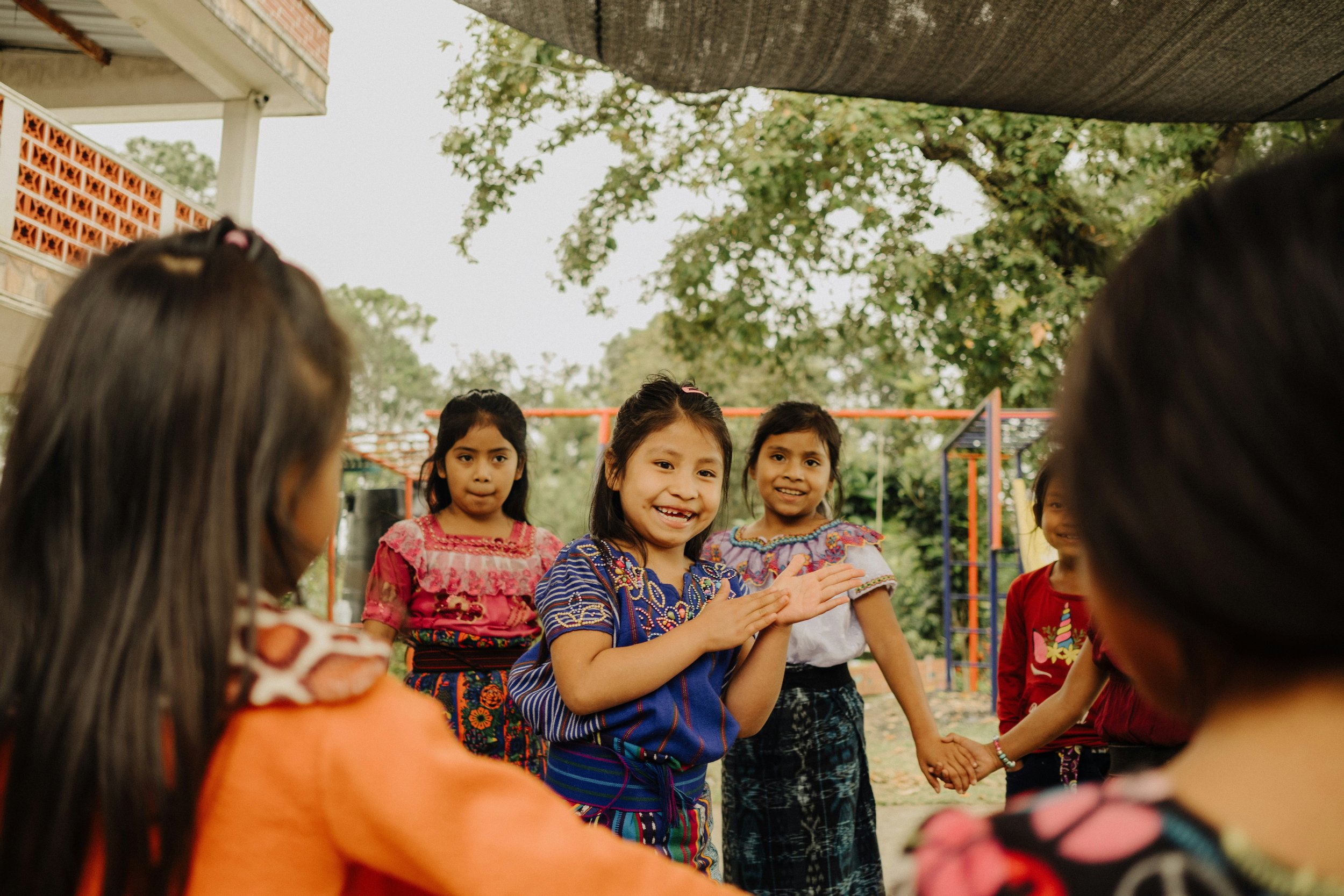
Guatemala
Guatemalan Migration to the Washington, DC Area
Guatemalan immigration to the Washington, DC metropolitan area increased significantly during the late 1970s and 1980s as many families fled the Guatemalan Civil War (1960–1996). Seeking safety from violence, political instability, and economic hardship, thousands of Guatemalans established new lives in the region. After the 1996 Peace Accords, migration continued as families pursued educational and economic opportunities and reunited with relatives who had already settled in the United States.
Today, the Washington, DC, Maryland, and Northern Virginia (DMV) region is home to one of the largest Guatemalan communities in the country. Many families trace their roots to the departments of Guatemala, San Marcos, and Huehuetenango, which represent the primary regions of origin for Guatemalans living in the area. These communities have become an integral part of the region's cultural landscape, contributing their traditions, languages, and experiences to local neighborhoods and schools.
Students from Guatemalan families bring rich linguistic and cultural backgrounds to the classroom. While many speak Spanish as their first language, others also speak Indigenous Mayan languages such as Mam, Q'anjob'al, K'iche', and Akateko, reflecting Guatemala's remarkable linguistic and cultural diversity. Understanding these backgrounds helps educators better support students and build meaningful connections with families.
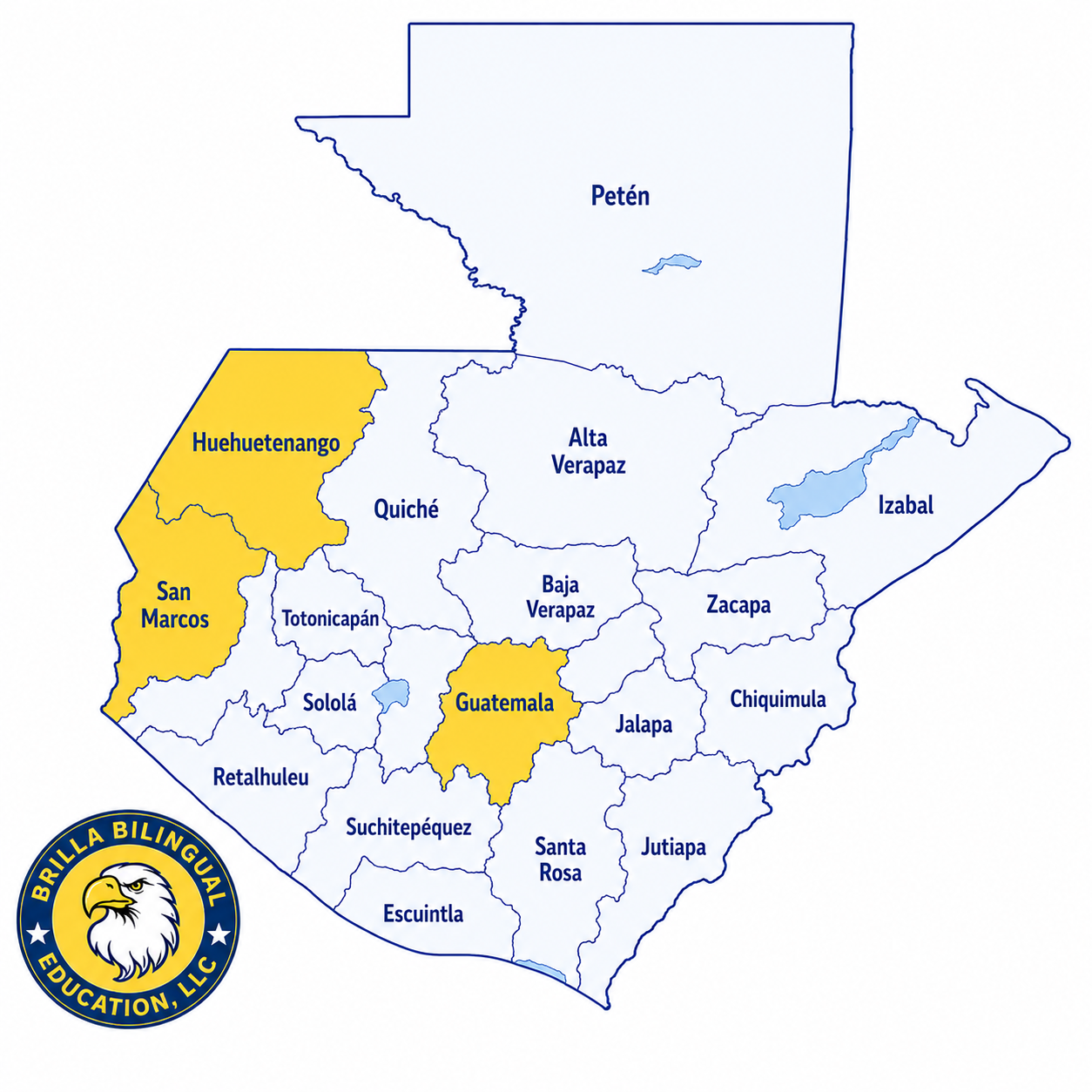
Guatemala Department
Communities
Guatemala City
Mixco
Villa Nueva
Villa Canales
Schools
Largest concentration of schools in the country
Public and private options
Better access to technology
More specialized teachers
Larger class sizes (often 30–40 students)
San Marcos
Communities
San Marcos
Malacatán
Tacaná
Schools
Mostly rural
Many students speak Spanish and a Mayan language (such as Mam)
Limited instructional materials
Multigrade classrooms are common
Strong community involvement
Huehuetenango
Communities
Huehuetenango
Barillas
Jacaltenango
Schools
Rural mountain communities
Many students are bilingual in Spanish and Indigenous languages (Q'anjob'al, Mam, Akateko, Popti', among others)
Multi-grade instruction is common
Technology access is limited