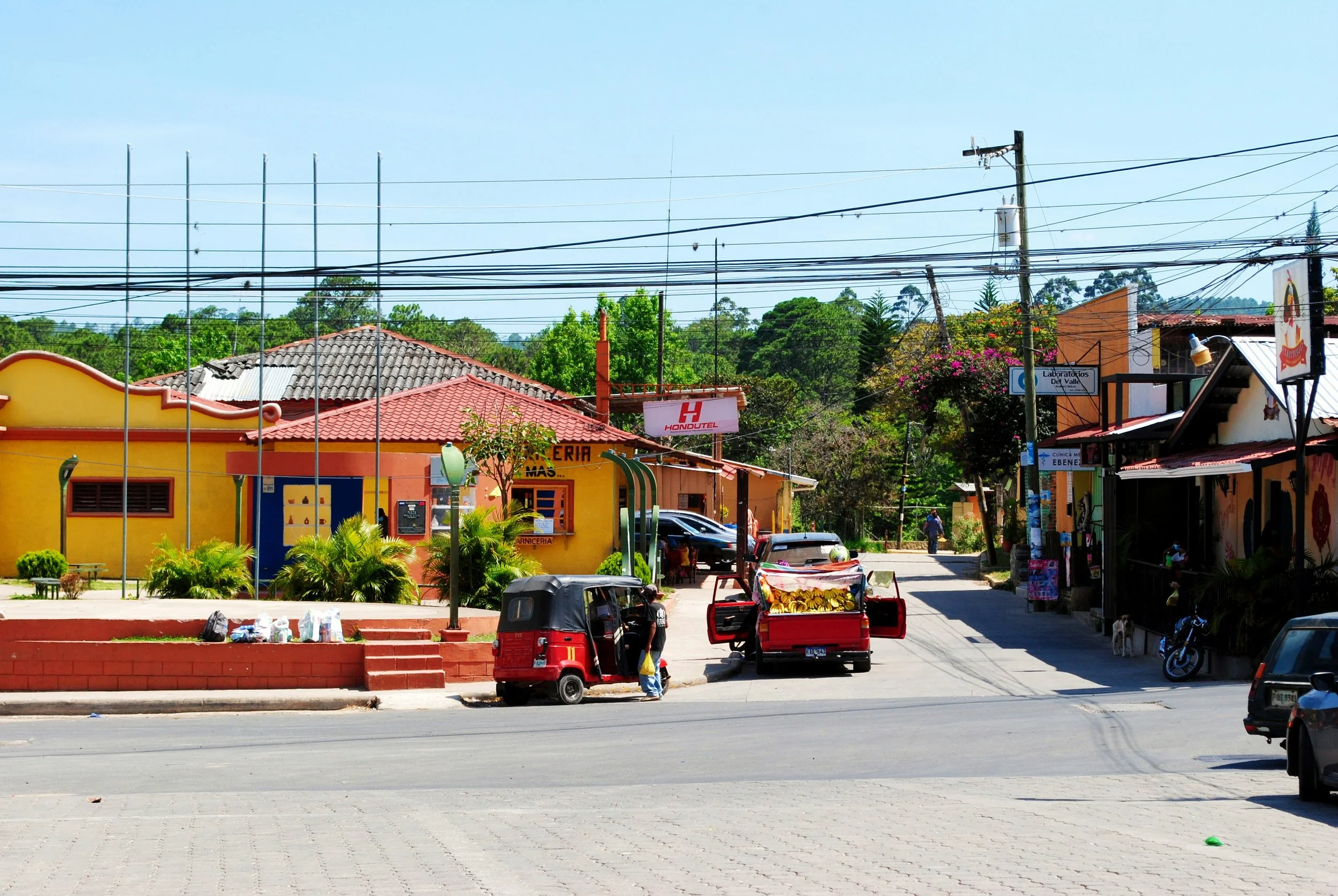
Honduras
Honduran Migration to the Washington, DC Area
Honduran immigration to the Washington, DC metropolitan area increased significantly during the 1980s as many families sought greater economic opportunity and stability in the United States. Migration continued throughout the 1990s, with another major wave following Hurricane Mitch in 1998, one of the most devastating natural disasters in Central American history. In the years since, many Honduran families have continued to immigrate in search of safety, educational opportunities, employment, and a better future for their children.
Today, many Honduran families living in the Washington, DC, Maryland, and Northern Virginia (DMV) region trace their roots to the departments of Cortés, Francisco Morazán, and Yoro. These three departments represent the primary regions of origin for many Hondurans in the area and have helped shape vibrant communities throughout the region. Honduran families have enriched the DMV by establishing businesses, churches, cultural organizations, and community networks that continue to strengthen local neighborhoods.
Students from Honduran families bring rich cultural traditions, resilience, and diverse experiences to the classroom. While Spanish is the primary language spoken by most families, educators should recognize the strong family values, cultural heritage, and community connections that contribute to students' identities and support their success in school.
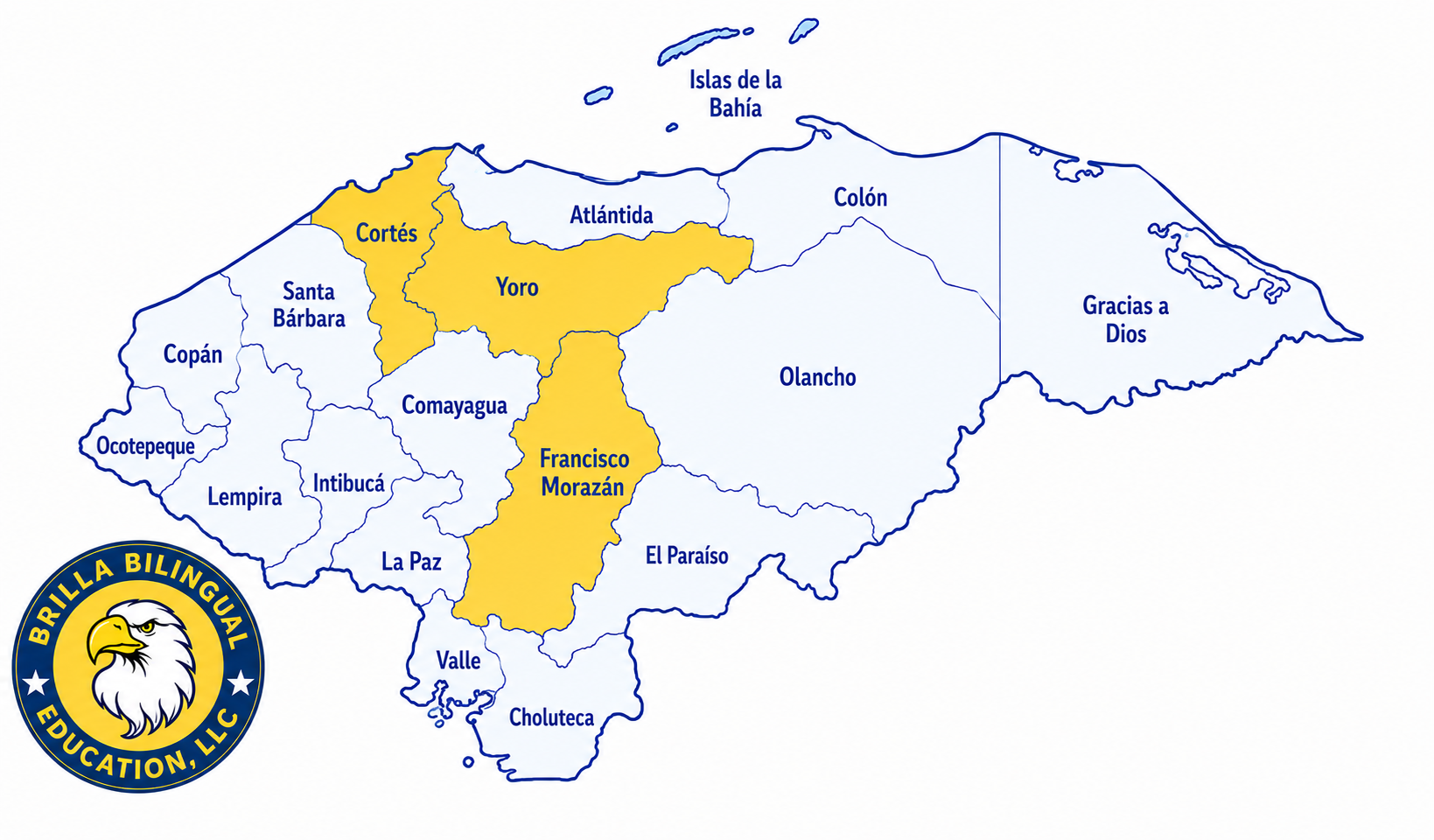
Cortés
Communities
San Pedro Sula
Choloma
Puerto Cortés
Schools
Urban schools
Larger student populations
Public and private schools
Uniforms required
Greater access to technology than rural regions
Francisco Morazán
Communities
Tegucigalpa
Comayagüela
Schools
Largest concentration of educational resources
Public and private schools
English taught as a subject in many schools
Urban class sizes often exceed 35 students
Yoro
Communities
El Progreso
Yoro
Olanchito
Schools
Mix of rural and urban schools
Some multi-grade classrooms
Fewer technology resources
Strong emphasis on foundational literacy and mathematics